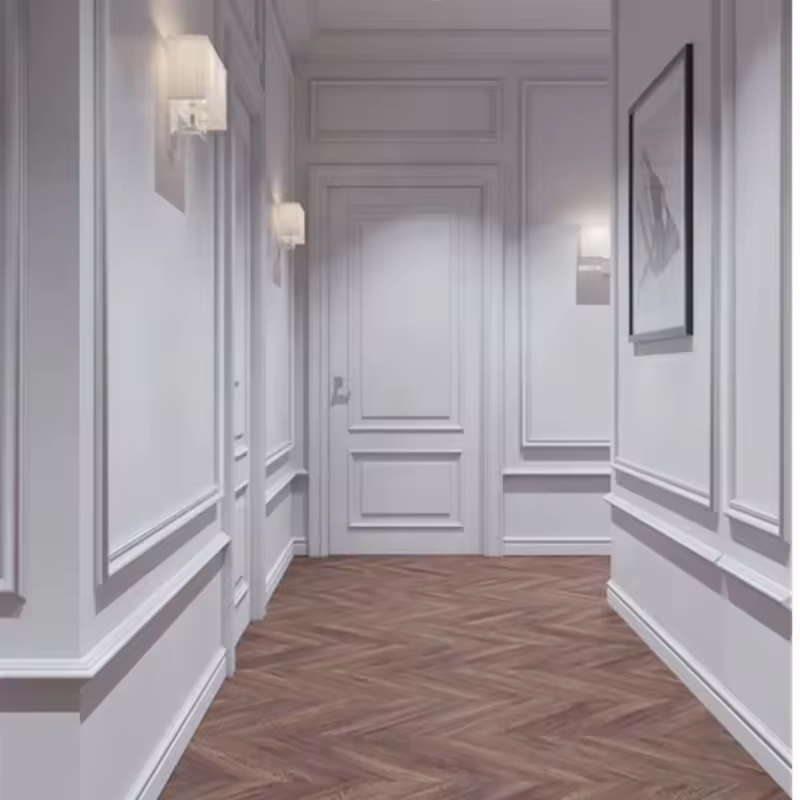
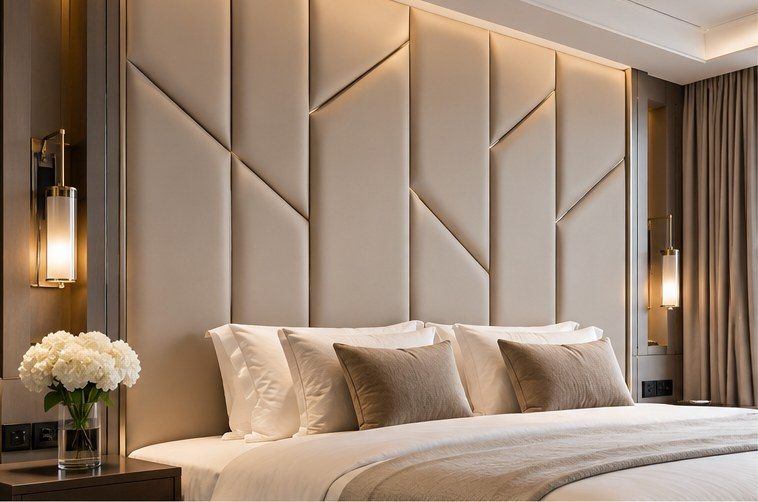
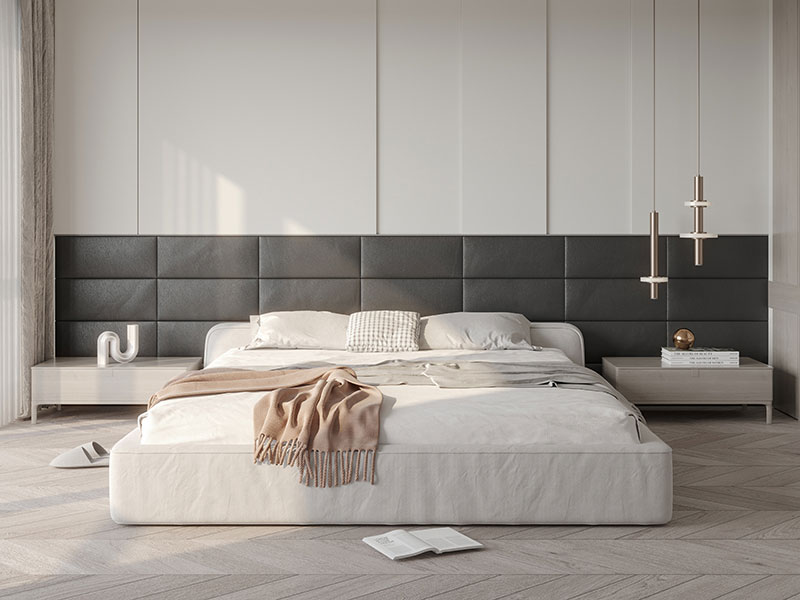
Gypsum cornice or polyurethane moulding? Compare appearance, weight, installation, moisture resistance, fire performance and total project cost before choosing decorative ceiling and wall trim.
A decorative line around the ceiling can make an ordinary room feel finished. But when buyers compare gypsum moulding with PU (polyurethane) moulding, the decision is about more than appearance. Materials behave differently during shipping, cutting, installation and long-term use. For distributors and project buyers sourcing decorative mouldings from China, understanding these differences helps avoid costly mistakes.
What Is Gypsum Moulding?
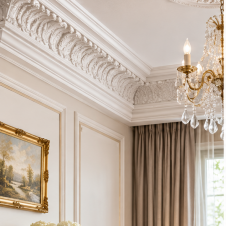
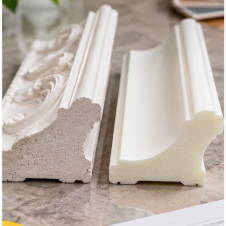
Gypsum moulding, also called plaster cornice or plaster decorative trim, is made from gypsum-based plaster cast into a profile or ornamental shape. It has a mineral composition and a traditional, substantial finish. It is often selected for classical ceilings, restoration work, decorative wall frames and projects where an integrated plaster surface is important.
A major advantage is that gypsum joints and damaged areas can be filled and repaired using compatible plaster materials. Skilled installers can create an almost seamless finish. However, gypsum profiles are relatively heavy and brittle. Long sections need careful packing, lifting and fixing, and poor handling can cause chipped corners or cracks.
What Is PU Moulding?
PU moulding is typically manufactured from rigid, moulded polyurethane and supplied in decorative profiles such as cornices, wall frames, skirting details and ceiling borders. Many products are primed and can be painted to suit the interior. PU moulding is not the same product as inexpensive EPS foam coving: density, surface hardness and performance can be quite different.
Its main attraction is low weight. PU profiles are easier to lift, cut and transport than comparable plaster pieces. Repeating a standard moulded profile is also convenient for large decorative schemes. Properly specified PU is generally more resistant to incidental knocks and humidity, but the material still needs suitable adhesive, joint treatment, paint and temperature conditions.
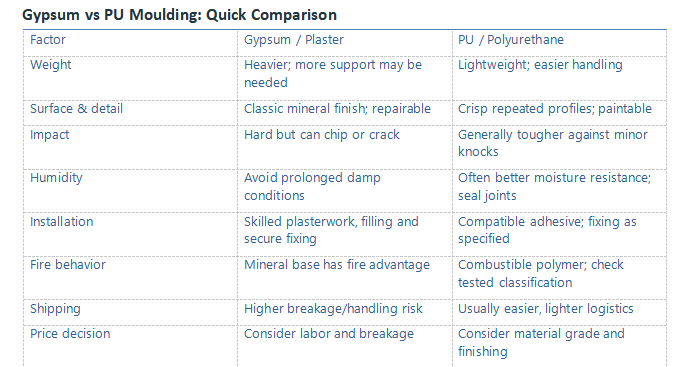
The comparison describes typical product characteristics, not a guarantee for every formulation or profile. Always compare the actual technical datasheets and local building requirements.
Where Gypsum Moulding Has the Advantage
Gypsum is a strong option for traditional architectural interiors, historically sensitive renovations and projects where plaster finishes must blend into existing decorative work. Installers can build up, sand and repair plaster details on site. Buyers may also prefer the solid mineral character of gypsum for ornate classical designs.
Fire-related requirements are another consideration. Gypsum-based products generally offer a better starting point than combustible plastic-based trim, but the completed assembly and the exact gypsum formulation still need to satisfy the specified standard. For hospitals, hotels and public interiors, request the applicable test classification and documentation rather than relying on material names alone.
Where PU Moulding Has the Advantage
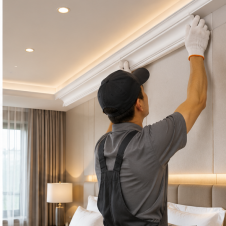
PU often makes more practical sense for renovation projects, apartments, hotels with repetitive room layouts, and distributors supplying easy-to-handle decorative trim. Lighter products can reduce physical handling demands and shipping weight. Installers can usually cut PU with standard suitable tools and bond profiles with a manufacturer-approved adhesive.
PU also suits many areas that experience intermittent humidity, provided all seams, paint and substrate conditions are managed correctly. It is not automatically suitable for constant water exposure, high heat, exterior use or every fire-regulated commercial project. Those applications require the correct product grade and supporting documentation.
Which One Should You Choose?
Choose gypsum when traditional restoration, mineral surface character, seamless plaster repairs or stringent project-specific fire requirements are major priorities. Allow for experienced labor, substrate load capacity, extra packaging protection and breakage allowance.
Choose PU when you need lightweight trim, repeatable designs, faster handling and easier distribution. Check the profile density, hardness, coating, adhesive system and reaction-to-fire report. In a new hotel or residential development, compare installed cost rather than just price per meter.
For a sound purchasing decision, ask the supplier for five items: a dimensioned profile drawing, sample length, unit weight per meter, packing method and installation recommendations. If the project has fire, VOC or moisture-performance requirements, ask for test reports covering the exact product offered. For curved walls, concealed lighting or unusual corners, provide drawings before confirming the order.
Does Gypsum or PU Moulding Cost Less?
There is no universal winner. A basic gypsum profile may be competitively priced in one market while a PU profile offers lower freight, handling or labor cost in another. Complex classical plasterwork may require highly skilled finishing; premium high-density PU can also cost substantially more than basic alternatives. Calculate the landed and installed cost: product price, shipping volume and weight, damage allowance, adhesives, fasteners, labor, filling and painting.
Frequently Asked Questions
Can PU moulding look like gypsum?
Yes. A quality mould and paint finish can create a similar appearance, although close-up texture and feel may differ. Compare physical samples rather than photographs alone.
Is PU moulding waterproof?
Many rigid PU profiles resist moisture better than gypsum, but “waterproof” depends on the full product and installation, including joints, coatings and substrate.
Can gypsum and PU profiles be painted?
Usually yes, with compatible primers and paints. Follow the product manufacturer’s instructions and allow all joint fillers and adhesives to cure first.
Which is better for wholesale importers?
PU is often convenient for shipping and repeat-volume retail programs; gypsum may be the better fit for specialized plasterwork and particular project specifications. Your target buyers and local regulations should drive the assortment.
Final Thoughts
The best moulding is the one that suits the building, installation method and customer expectations. Gypsum gives designers traditional plaster character and repairability; PU provides lightweight decorative flexibility. If you are comparing China decorative moulding suppliers, begin with samples and clear technical requirements, then request a project-specific quotation instead of choosing by appearance alone.
Explore decorative wall and ceiling solutions at www.bocasrb.com and contact the BOCAS team to discuss available designs, sample options and sourcing requirements.