A marble-look wall sticker can be an accessible way to refresh a feature wall, but the difference between a successful retail product and a disappointing one is often hidden on the back. The adhesive, foam or film construction, edge detail and print quality determine how customers experience installation. Retailers searching for a marble wall sticker supplier in China should test the complete application process and communicate its limitations clearly.
Distinguish film, foam and rigid styles
Not all marble-look wall coverings have the same construction. Some are thin decorative films, others use a raised foam structure, and some products are comparatively rigid panels. Thickness affects handling, the three-dimensional appearance and the likelihood of visible seams. Ask the supplier for a cross-section image and a physical sample. If the panel is described as 3D, confirm whether that means an embossed surface, printed shading or a deeper structural texture.
Evaluate print realism and repeat patterns
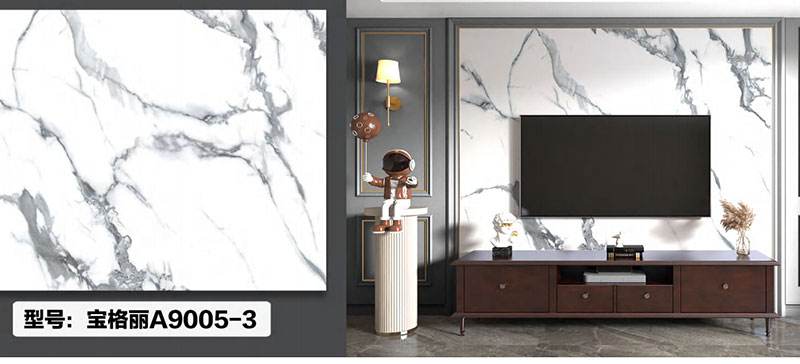
Marble designs are especially sensitive to repeated veins. A single sample may look convincing, yet a whole wall can show identical gray lines every few panels. Test a group of pieces side by side, using the intended orientation. Check the background white, cream or gray tone under daylight and interior lighting. Ask whether the decorative layer has a glossy or matte finish and whether panels from separate shipments will follow the same pattern specification.
Treat adhesion as a system
Self-adhesive materials need a suitable substrate. Dust, grease, loose paint, moisture and roughness can prevent the bond from performing as intended. Ask the supplier for substrate guidance and a realistic application temperature range. Try the sticker on a representative painted wall, tile or board only if that surface is approved. Examine edges after installation and verify how the material should be removed. Avoid promising damage-free removal on every wall finish.
Create customer-friendly installation instructions
Retail buyers appreciate instructions that explain measuring, layout, cutting and applying pressure in the correct order. A practical insert should recommend cleaning and drying the wall, testing a hidden area and marking a reference line. If patterns need matching, explain how to align the veins and how much extra material to purchase. Show a complete corner or outlet cut in a short video. Clear expectations reduce avoidable returns more effectively than claims of instant installation.
Photograph the installed seams
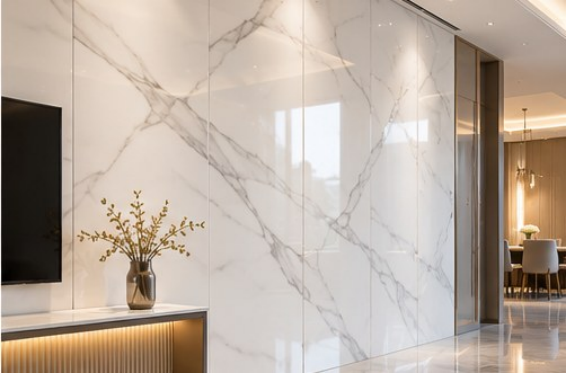
For a marble-look product, the seams are as important as the overall wall image. Show how two pieces meet and whether the pattern is meant to align. Photograph a corner and a cut edge, then explain what trimming is required. If an embossed foam surface is part of the design, provide a side-angle close-up. These practical images answer buyer questions that a polished, digitally staged room photograph cannot.
Check durability and claims carefully
Ask about normal wiping, surface scratching and exposure to heat or sunlight. A marble appearance does not make the material suitable behind a cooker or in direct high-temperature areas. Similarly, “water-resistant surface” should not be translated into a guarantee of a waterproof wall assembly. Product descriptions should say what has actually been tested. For regional retail sales, verify packaging labels and relevant safety or chemical documentation before importing.

Make a realistic retail demonstration
A short installation video can show customers more than an elaborate lifestyle rendering. Use the actual packaged material to demonstrate measuring, cleaning the substrate, peeling the backing, aligning the first tile and pressing across the surface. Then show the finished seam and a close-up of the printed marble pattern. Avoid cutting around a switch while it is live; any electrical work must follow local safety practices. Add a note about testing adhesion in a discreet location. Clear demonstrations set responsible expectations for buyers.
Prepare packaging for e-commerce
Marble wall stickers are commonly compared by pack count and covered area. Make sure the pack description states the exact size of each piece and usable total coverage. Photograph cartons after packing and check if pressure can deform raised patterns. If selling through marketplaces, test shipping a completed retail pack to assess edge damage. BOCAS lists marble wall sticker options among its decorative products; discuss current design availability, private-label packaging and sample orders before launching a new SKU.
Frequently Asked Questions
Do peel-and-stick marble panels work on textured walls? They often require a clean, stable, relatively smooth approved substrate. Always test the actual surface.
Can the panels replace real marble? They provide a decorative appearance, not the structural or thermal performance of stone.
How should coverage be advertised? State individual piece dimensions, pack quantity and the nominal covered area, noting any pattern-matching allowance.
Request Samples and a Quotation
For the next step, review BOCAS’s relevant product information at https://www.bocasrb.com/products/ and send your intended application, preferred specifications and estimated order volume. Ask for current samples, documented performance information where required, and a quotation that clearly states what is included. A well-defined sample and a transparent specification remain the most reliable starting points for an international wall panel order.